|
|
The Holy Martyr Hippolytus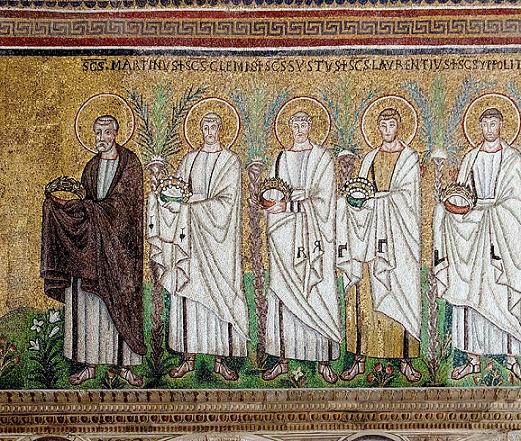 Hippolytus was a military supervisor and prison governor in Rome, born and brought up a pagan. When St Laurence the archdeacon was thrown into prison, Hippolytus was ordered by the Emperor to keep a strict eye on this prisoner. Hippolytus saw with his own eyes how Laurence restored the sight of the blind Lucillus and how he healed many other of the sick, and he became a Christian. When St Laurence baptised him, Hippolytus had a heavenly vision and said: "I see innocent souls in great joy". He then took Laurence into his own home, and all those in it were baptised, including his old nurse, Concordia; nineteen souls in all. When Laurence was slain for Christ, Hippolytus took the martyr"s body by night, wrapped it in a winding-sheet and buried it. This somehow came to the ears of the Emperor Valerian, and, on the third day after Laurence"s death, Hippolytus was arrested and taken before the Emperor. Refusing to deny the true Faith, he was struck on the mouth with stones. The Emperor then ordered that he be stripped and flayed. Naked before the Emperor, Hippolytus said to him: "You have not stripped me, but have begun to clothe me!" They then threw him to the ground and flayed him mercilessly, but Hippolytus only cried out: "I am a Christian!" The Emperor, hearing that Hippolytus and his whole household were Christians, ordered that they all be brought. Old Concordia said: "We prefer to die in honour in the Christian faith with our master than to live in dishonour with you." She was killed first, and then the other eighteen, all before Hippolytus" eyes. Finally, Hippolytus was bound behind a wild horse and dragged hither and thither, until the martyr gave his soul to God. Hippolytus was a military supervisor and prison governor in Rome, born and brought up a pagan. When St Laurence the archdeacon was thrown into prison, Hippolytus was ordered by the Emperor to keep a strict eye on this prisoner. Hippolytus saw with his own eyes how Laurence restored the sight of the blind Lucillus and how he healed many other of the sick, and he became a Christian. When St Laurence baptised him, Hippolytus had a heavenly vision and said: "I see innocent souls in great joy". He then took Laurence into his own home, and all those in it were baptised, including his old nurse, Concordia; nineteen souls in all. When Laurence was slain for Christ, Hippolytus took the martyr"s body by night, wrapped it in a winding-sheet and buried it. This somehow came to the ears of the Emperor Valerian, and, on the third day after Laurence"s death, Hippolytus was arrested and taken before the Emperor. Refusing to deny the true Faith, he was struck on the mouth with stones. The Emperor then ordered that he be stripped and flayed. Naked before the Emperor, Hippolytus said to him: "You have not stripped me, but have begun to clothe me!" They then threw him to the ground and flayed him mercilessly, but Hippolytus only cried out: "I am a Christian!" The Emperor, hearing that Hippolytus and his whole household were Christians, ordered that they all be brought. Old Concordia said: "We prefer to die in honour in the Christian faith with our master than to live in dishonour with you." She was killed first, and then the other eighteen, all before Hippolytus" eyes. Finally, Hippolytus was bound behind a wild horse and dragged hither and thither, until the martyr gave his soul to God.St Tikhon of Zadonsk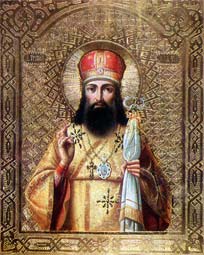 Born in 1724 in the village of Korotsk, in the Novgorod region, into a simple, peasant family, he received the monastic habit at the age of thirty-four and very soon, because of his ascesis and spiritual wisdom, was given higher and higher service until he was consecrated Bishop of Voronezh. He served as bishop for a little under seven years and then, because of ill-health, retired to the monastery of Zadonsk and entered into rest there in 1783. His wonderworking relics are kept there to this day. A great ascetic of the Russian Church, he was a rare shepherd, a man of prayer and the writer of beautiful spiritual works. In his wisdom, his holiness and asceticism, he could be counted an equal of the great Fathers of the Orthodox Church of former times. Because of the many witnessed miracles that were performed over his relics, he was first proclaimed a saint by the people, and then officially by the Church in 1861. Born in 1724 in the village of Korotsk, in the Novgorod region, into a simple, peasant family, he received the monastic habit at the age of thirty-four and very soon, because of his ascesis and spiritual wisdom, was given higher and higher service until he was consecrated Bishop of Voronezh. He served as bishop for a little under seven years and then, because of ill-health, retired to the monastery of Zadonsk and entered into rest there in 1783. His wonderworking relics are kept there to this day. A great ascetic of the Russian Church, he was a rare shepherd, a man of prayer and the writer of beautiful spiritual works. In his wisdom, his holiness and asceticism, he could be counted an equal of the great Fathers of the Orthodox Church of former times. Because of the many witnessed miracles that were performed over his relics, he was first proclaimed a saint by the people, and then officially by the Church in 1861.Our Holy Mother, the Empress Irene, in monasticism, Xenia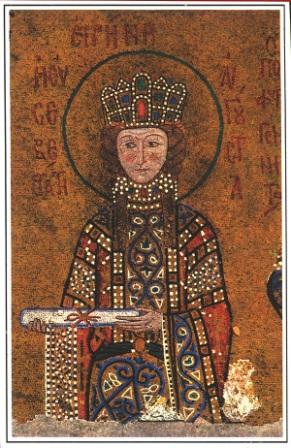 She was the wife of the Emperor Kalo-John (John 11 Comnenus, 1118-1143). Apart from her monastic asceticism and good works, she is famed for having founded the Monastery of the Pantocrator in Constantinople, one of the most famous and most beautiful monasteries in that city. St Stephen of Decani later lived there in asceticism. She was the wife of the Emperor Kalo-John (John 11 Comnenus, 1118-1143). Apart from her monastic asceticism and good works, she is famed for having founded the Monastery of the Pantocrator in Constantinople, one of the most famous and most beautiful monasteries in that city. St Stephen of Decani later lived there in asceticism.Our Holy Father SeridusFamed for founding a community near Gaza in Palestine, in which famous men such as St Barsanuphius, St John, Abba Dorotheus, Dositheus and others lived the ascetic life, St Seridus departed this earthly life in the sixth century and went to the eternal joy of his Lord. Martyrs Concordia, Irenaeus, and Abundius (258)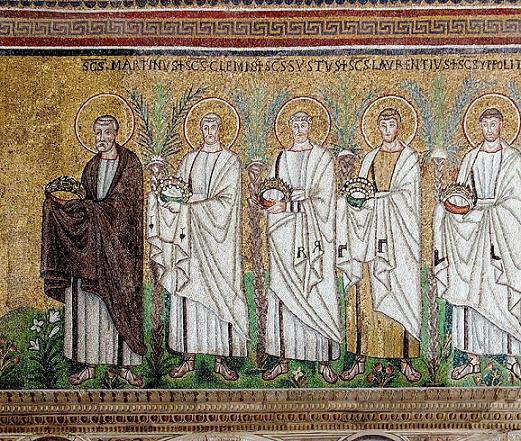 Uncovering of the relics of St. Maximus of Moscow, fool-for-Christ (1547)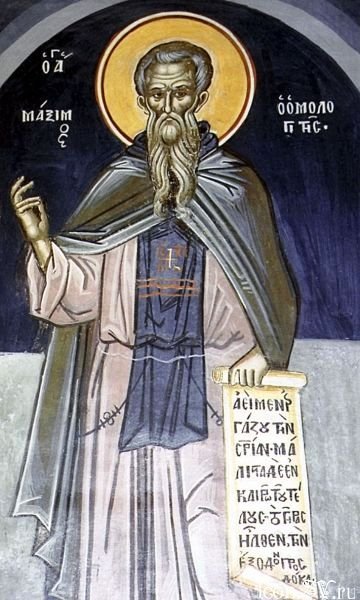 Blessed Maxim, Fool-for-Christ, lived at Moscow. About his parentage, time and place of birth, nothing is known. Saint Maxim chose one of the most difficult and thorny paths to salvation, voluntarily for the sake of Christ having taken upon himself the guise of a fool. Summer and winter Maxim walked about almost naked, bearing with prayer both the heat and cold. He had a saying: "Fierce though be the winter, yet sweet be paradise". Rus' very much loved its holy fools, it esteemed their deep humility, it heeded their wisdom, expressed profitably and aphoristically in the proverbial sayings of the people's language. And everyone heeded the holy fools: everyone from the great princes on down to the least beggar.
Blessed Maxim lived at a difficult time for the Russian people. Tatar incursions, droughts, epidemics were endemic and people perished. The saint said to the unfortunate: "Not everything is by the weave of the wool, some be opposite... They have won the fight, admit it, and bow the lower; weep not for the beaten, weep rather the unbeaten; let us show tolerance and in this we shalt at least be human; gradually even raw firewood ignites; for toleration may God grant salvation". But the saint did not only speak words of consolation. His angry denunciations frightened the mighty of his world. Blessed Maxim was wont to say to the rich and illustrious: "An idolatrous house, and a conscience corrupted; everyone is baptised, let everyone pray; God doth detect every wrong. He deceiveth not thee, nor deceivest thou He".
Blessed Maxim died on 11 November 1434 and as buried at the church of the holy Princes Boris and Gleb. Miraculous healings began occurring from the relics of the saint of God. In a circular missive of 1547, metropolitan Makarii enjoined "the singing and celebration at Moscow to the new Wonderworker Maxim, Fool-for-Christ". That same year on 13 August the relics of Blessed Maxim were uncovered undecayed. The church of Saints Boris and Gleb, at which the saint was buried, burned in the year 1568. On its place was built a new church, which they consecrated in the name of Saint Maxim, Fool-for-Christ. And into this church was put the venerable relics of Saint Maxim. Blessed Maxim, Fool-for-Christ, lived at Moscow. About his parentage, time and place of birth, nothing is known. Saint Maxim chose one of the most difficult and thorny paths to salvation, voluntarily for the sake of Christ having taken upon himself the guise of a fool. Summer and winter Maxim walked about almost naked, bearing with prayer both the heat and cold. He had a saying: "Fierce though be the winter, yet sweet be paradise". Rus' very much loved its holy fools, it esteemed their deep humility, it heeded their wisdom, expressed profitably and aphoristically in the proverbial sayings of the people's language. And everyone heeded the holy fools: everyone from the great princes on down to the least beggar.
Blessed Maxim lived at a difficult time for the Russian people. Tatar incursions, droughts, epidemics were endemic and people perished. The saint said to the unfortunate: "Not everything is by the weave of the wool, some be opposite... They have won the fight, admit it, and bow the lower; weep not for the beaten, weep rather the unbeaten; let us show tolerance and in this we shalt at least be human; gradually even raw firewood ignites; for toleration may God grant salvation". But the saint did not only speak words of consolation. His angry denunciations frightened the mighty of his world. Blessed Maxim was wont to say to the rich and illustrious: "An idolatrous house, and a conscience corrupted; everyone is baptised, let everyone pray; God doth detect every wrong. He deceiveth not thee, nor deceivest thou He".
Blessed Maxim died on 11 November 1434 and as buried at the church of the holy Princes Boris and Gleb. Miraculous healings began occurring from the relics of the saint of God. In a circular missive of 1547, metropolitan Makarii enjoined "the singing and celebration at Moscow to the new Wonderworker Maxim, Fool-for-Christ". That same year on 13 August the relics of Blessed Maxim were uncovered undecayed. The church of Saints Boris and Gleb, at which the saint was buried, burned in the year 1568. On its place was built a new church, which they consecrated in the name of Saint Maxim, Fool-for-Christ. And into this church was put the venerable relics of Saint Maxim. St. Eudocia the Empress (460)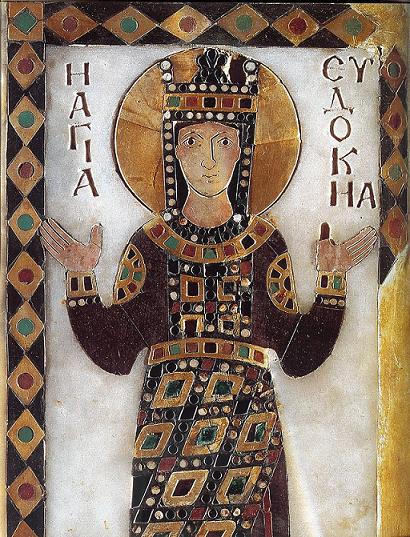 Wife of Theodosius the Younger Wife of Theodosius the YoungerVenerable Abba Dorotheos of Gaza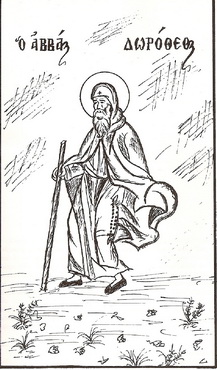 |
||||||||||||||||||||||||||||||||||||||||||||||||||||
If You liked our Work and effort then please consider to make a kind donation:

|
||||||||||||||||||||||||||||||||||||||||||||||||||||||
If you like our project and you are satisfied with our work and effort, please consider making a donation that would help us to survive on the Internet and in further development of the project.
There are many other ways to help...